

New Child Poverty Measures Will Provide a Broader Picture
The comprehensive multi-tiered poverty lines will provide a broader picture of the depth of child poverty than any single measure could.
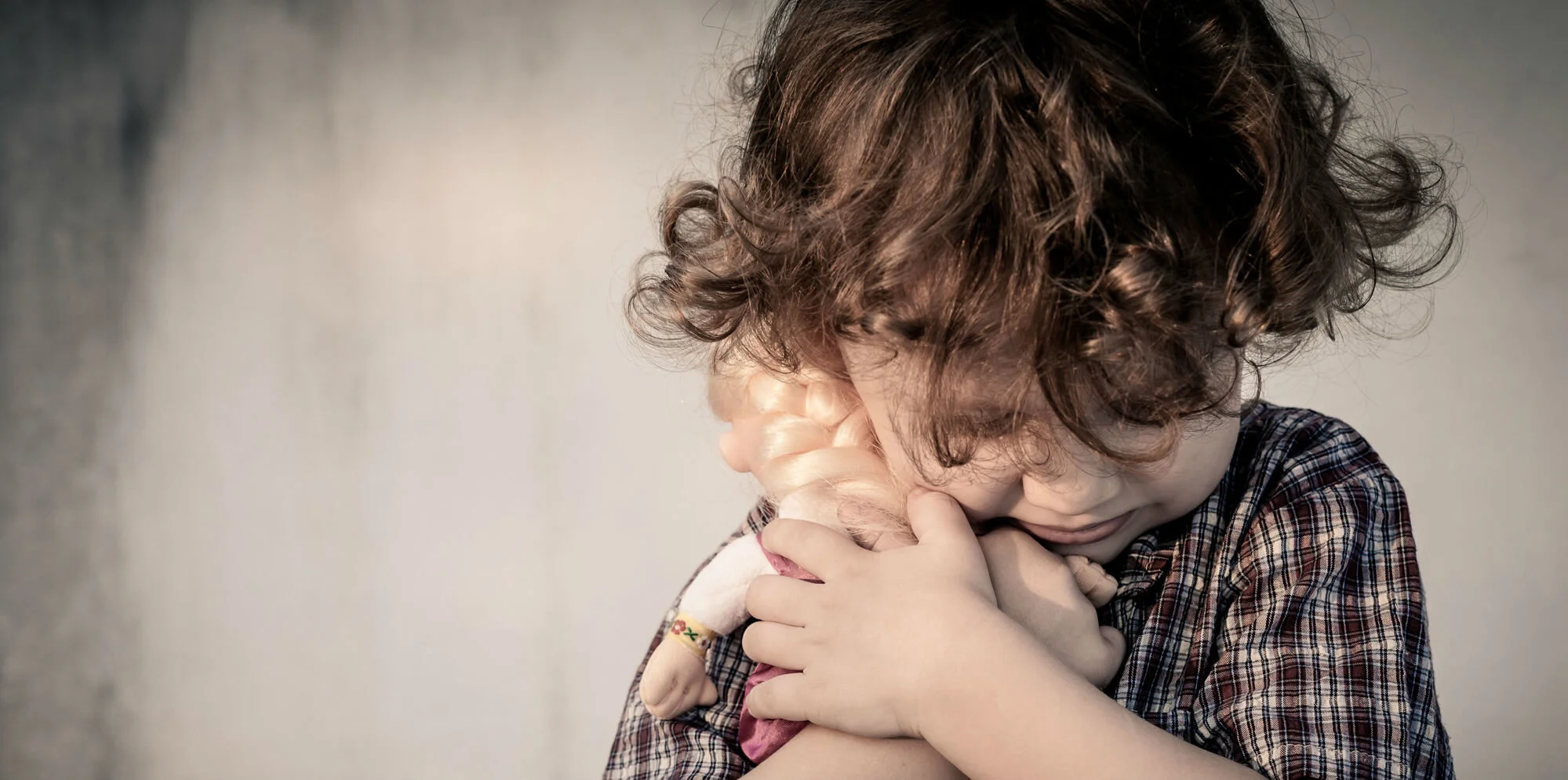
Child Poverty Should Be a Key Focus for Inquiry Into Mental Health and Addictions
It is vital that this Inquiry addresses child poverty as a preventable cause of mental health problems.
Muddled Numbers Provide an Opportunity for Government to Lead Visionary Change
More money needs to be channelled to the families currently falling below the very low 40% poverty line. There is a way to do this without creating impossible cost pressures.

New CPAG Report: The Further Fraying of the Welfare Safety Net
CPAG’s new report documents damaging changes to the welfare system since 2008.

Families Package Signals a Sea Change for Children
There is more work still to do for all New Zealand children to really thrive, but the Government has made a very credible start.
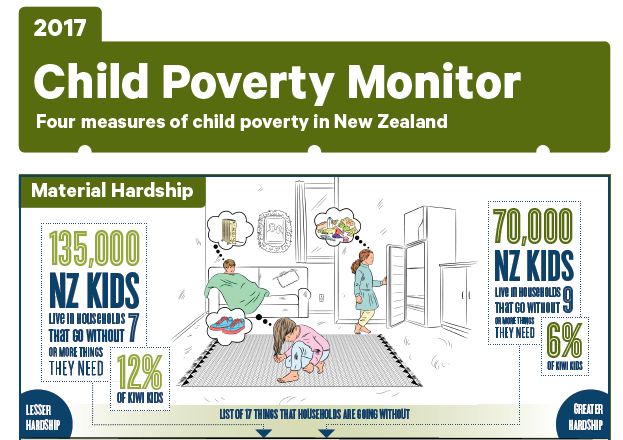
New Child Poverty Numbers Should Be Viewed Cautiously, says CPAG
While charities provide vital, immediate limited support for children and their families, real permanent change requires long-term commitment from government.
Ngā Tāngata Microfinance: A Socially Caring Economic Model to Follow
A new report by NTM shows the not-for-profit organisation’s success in helping hundreds of financially vulnerable people to escape from the punishing cycle of high interest debt.

Children’s Advocacy Community United in Calling for a Strong and Enduring Response to Reducing Poverty
New Zealand’s children’s advocacy community agrees that the time is now to create a strong, enduring and non-partisan commitment to reducing child poverty.
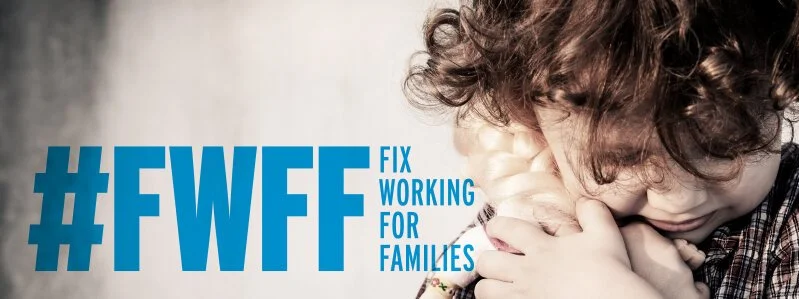
Children’s Income Needs Should Be Addressed Urgently
Christmas is fast approaching, and charities are gearing up to support families in need, with the expectation that the numbers of people requiring financial assistance and food bank help will soar.

A Stronger Healthy Homes Bill Will Be a Pillar for Child Wellbeing
Vastly improving legislation around the quality and safety of rental homes is imperative if the wellbeing of children is to improve.

We Absolutely Can Do Better to Support the Rights of Children, Says CPAG
“For the last almost 25 years, since the New Zealand Government first committed to the principles of UNCROC, we have failed to take our responsibilities to that Convention seriously.”
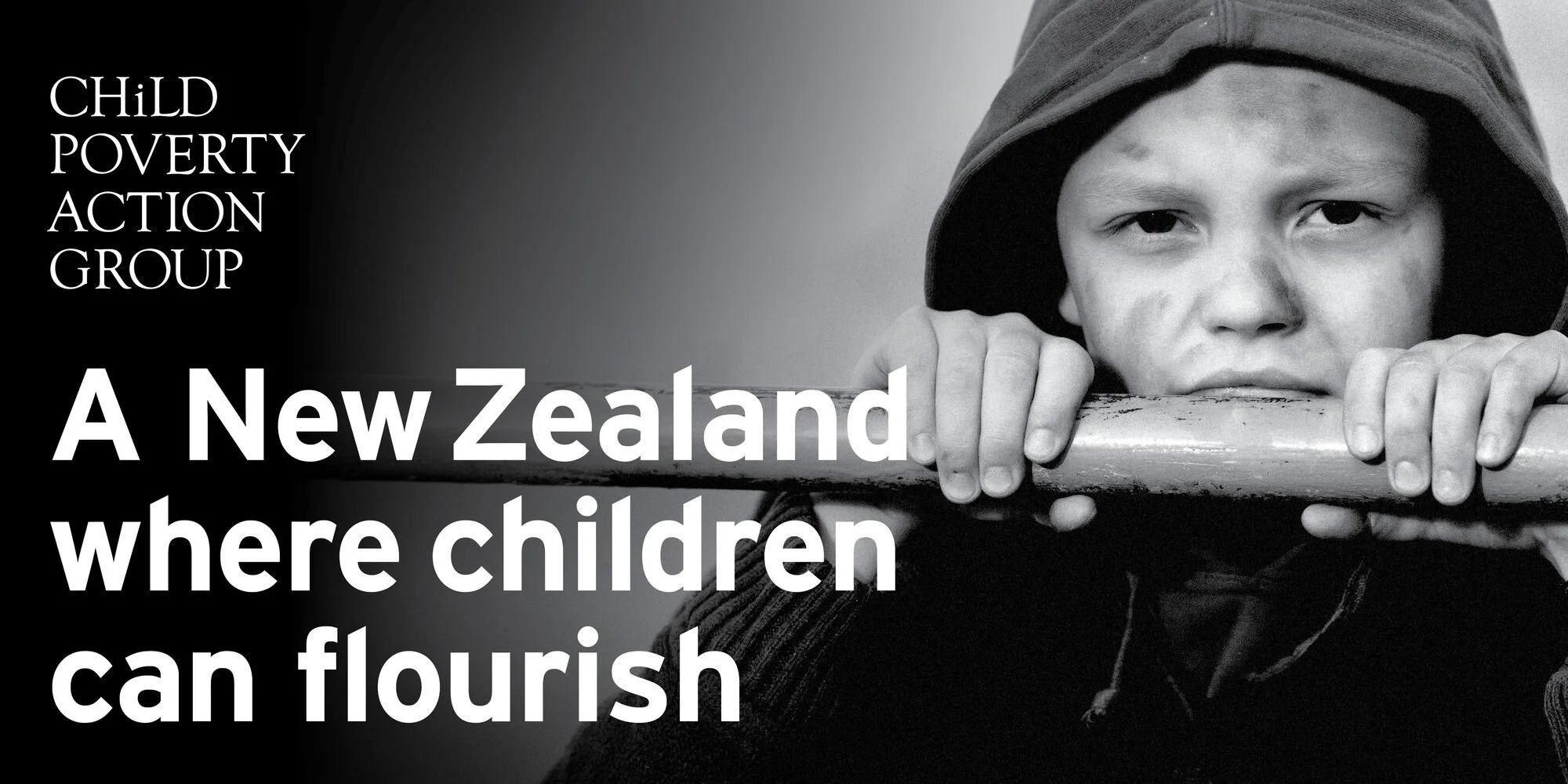
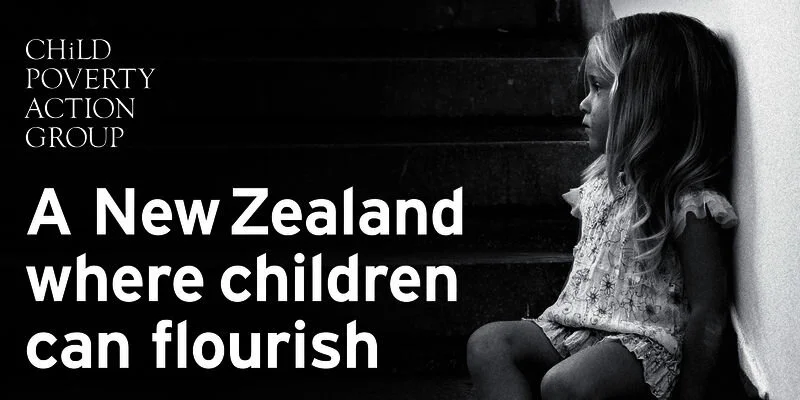
A New Zealand Where All Children Can Flourish: Briefing to Incoming Ministers
We can expect to see some immediate improvements to income support through Working for Families, as Labour has indicated in an agreement with the Green Party.
MSD Is Treating Loans as Income in the Courts
In finding loans as declarable income, it further reduces the ability of low-income families to support their children.

Abatement Rates Must Be Restored for Working Families to Thrive
CPAG urges the new government to make a firm commitment to the low-income working families, by ensuring that their ability to earn extra is not compromised by higher abatement rates.
NZ First’s Anti-Discrimination Policy Could Be Promising
With a new government undecided, Child Poverty Action Group (CPAG) urges participants in coalition talks to prioritise child wellbeing policies.

Harsh Punishments for Sole Parents Fuel Child Poverty
Between sanctions and paid work hours criteria tied to children’s payments, we have a system that directly discriminates against sole parents, and mothers in particular.
#Tick4Kids Movement Launches Campaign
The Tick for Kids movement is supported by a large group of organisations dedicated to improving child well-being, including Child Poverty Action Group (CPAG).
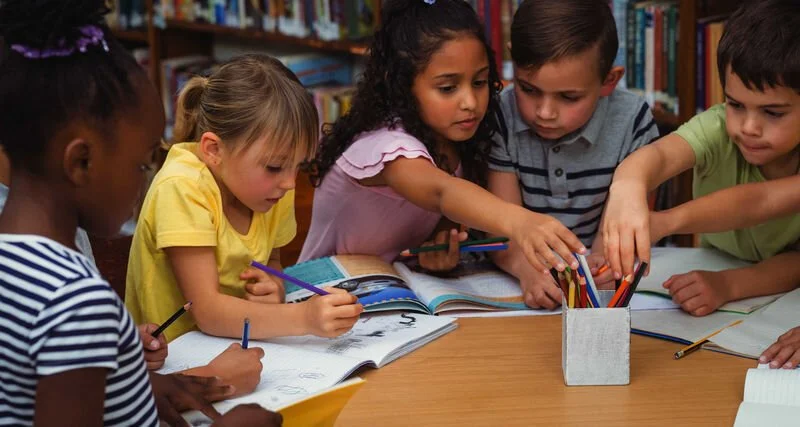
Education priorities for a New Zealand where all children can flourish
It is crucial that that the education system is resourced adequately so that children from all socioeconomic backgrounds can flourish.

Every Child’s Right to a Healthy Home
Families are living in substandard housing that is causing alarming rates of illness, particularly among young children, and many do not have a home at all.
Bold Plans Needed to Tackle Child Poverty, Not Vague Promises
“Right now, 14% of children in New Zealand are living in material hardship. Reducing that percentage figure by 10 points - to 4% - would mean 110,000 less children living at the extreme end of material deprivation.”
Summit 2017: Beyond Social Investment
Building on the 2016 event, this Summit will focus on the Government’s proclaimed ‘social investment approach’ to welfare reform.

Parental Income Test Needs Urgent Attention
“It is worrying that so many are in hardship and that is impacting negatively on their education.”
People’s Review Report Shows Urgent Policies Needed
A deeper look at the tragic reality for many renting in New Zealand, that houses are often not maintained to a standard that is healthy and safe, leading the way to prolonged illness among tenants.
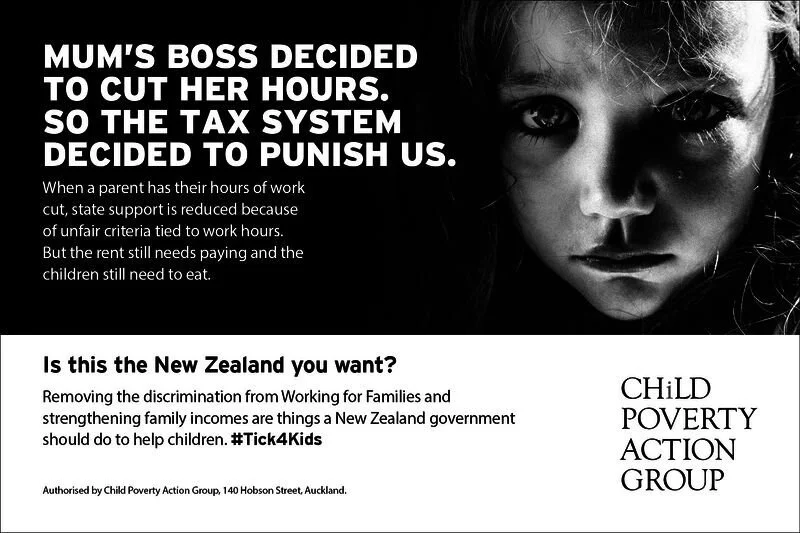
Make Eliminating Child Poverty New Zealand’s No.1 Priority
CPAG urges all major political parties to agree to reform Working for Families as matter of top priority.

Money Week: Stop the Stress of High-Interest Debt
Unlike many parts of the world, in New Zealand there is no legal limit on interest rates or total cost of credit. Without such consumer protection, it's very easy for families to get into financial trouble.

Prevent Youth Crime by Ending Poverty
Increased financial stress on families due to accumulating debt and unmet needs, has a lasting effect on mental and physical well-being. The result is often seen in incidences of youth offending.
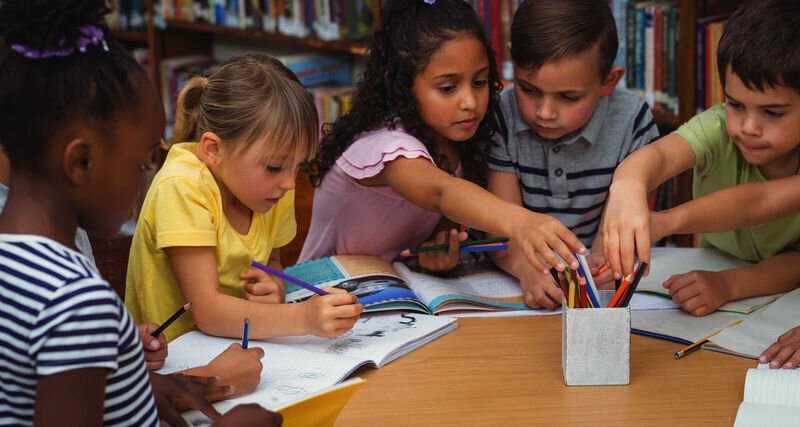
Concern New Education Funding Disguises Cost-Cutting
CPAG says that unless the Government can actually improve on the decile system, they should leave it in place.
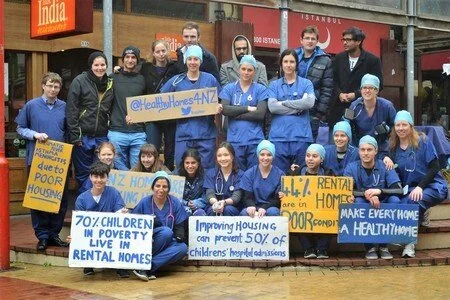
Housing Priorities for a New Zealand Where All Children Can Flourish
Each year, there are around 40,000 hospital admissions in New Zealand of children who have preventable illnesses that are linked to poverty.


Bold Changes and Combined Efforts Could Work for Families
By raising core benefits and the earned income threshold at which benefits begin to abate, there is a better chance for all families on benefits to begin to get ahead and to work their way toward financial independence.
A Good Start to WFF Changes, What Will Greens Have in Store?
While both National and Labour policies will reduce child poverty a little, this is not the big boost that is needed.
CPAG Welcomes Attention to Working for Families at Last
"For ten years we have argued that WFF is a flawed programme in its design and we have been especially alarmed at the silent erosion under National’s policies since 2010."
Children’s Housing Needs Are Too Urgent to Stall
Our most vulnerable children are being failed by poor policies on housing and the evidence that a much more elaborate response is needed is stacking up.

Superu Report: Incomes and Housing Crucial to Community Stability
“A comprehensive approach to supporting families needs to be developed across a range of fields. The narrow current social investment approach will not do that.”
Policy Priorities for Supporting Family Incomes
The upcoming election provides an opportunity for all political parties to put the wellbeing of all New Zealand’s children at the centre of their policies.
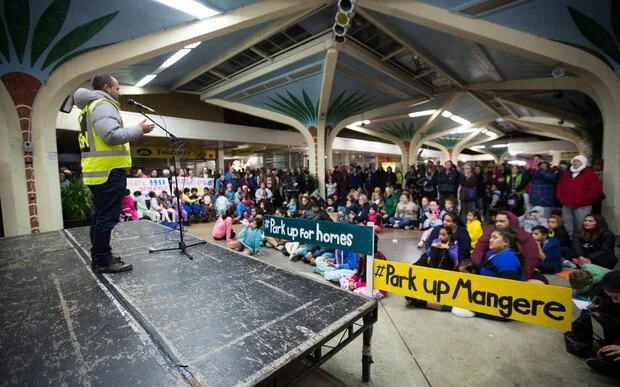
CPAG Asks, What’s Changed Since Park up for Homes?
Homelessness cannot be allowed to become the status quo and it is important that policy change remains on the public and political agenda. More must be done.
Poor Report Card Results Show New Zealand Is Failing Its Children
The long-term impact of poverty on children’s health can be severe, and the situation for many children has become desperate.

“Sanitary Hygiene Products Too Expensive,” Says CPAG
CPAG asks for sanitary product manufacturers to reduce their profit margins for single purchases in order to be socially responsible, and for the Government to ensure that all families have their income needs met.


Budget 2017: A Trickle Not a Tide
While the small offerings show some improvement for around 50,000 children in severe poverty, another 100,000 to150,000 children will not benefit enough from the changes.
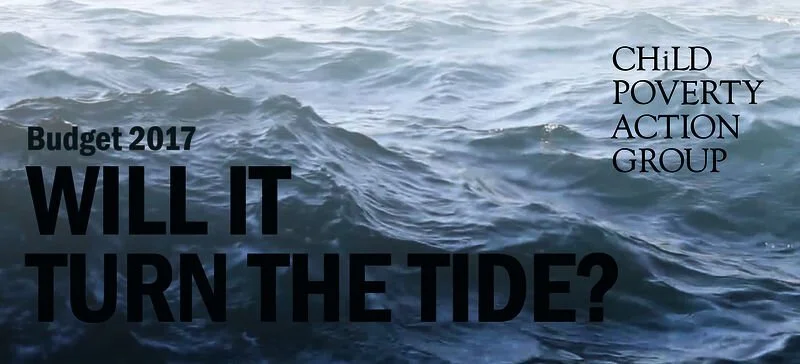
Budget 2017: Will It Turn the Tide?
“This year our children deserve a sea change. In previous budgets there has been little commitment to alleviating hardship among our worst-off children.”

Families Must Feature in Budget 2017
CPAG joins with families nationwide in hoping the Government delivers for children in this budget.
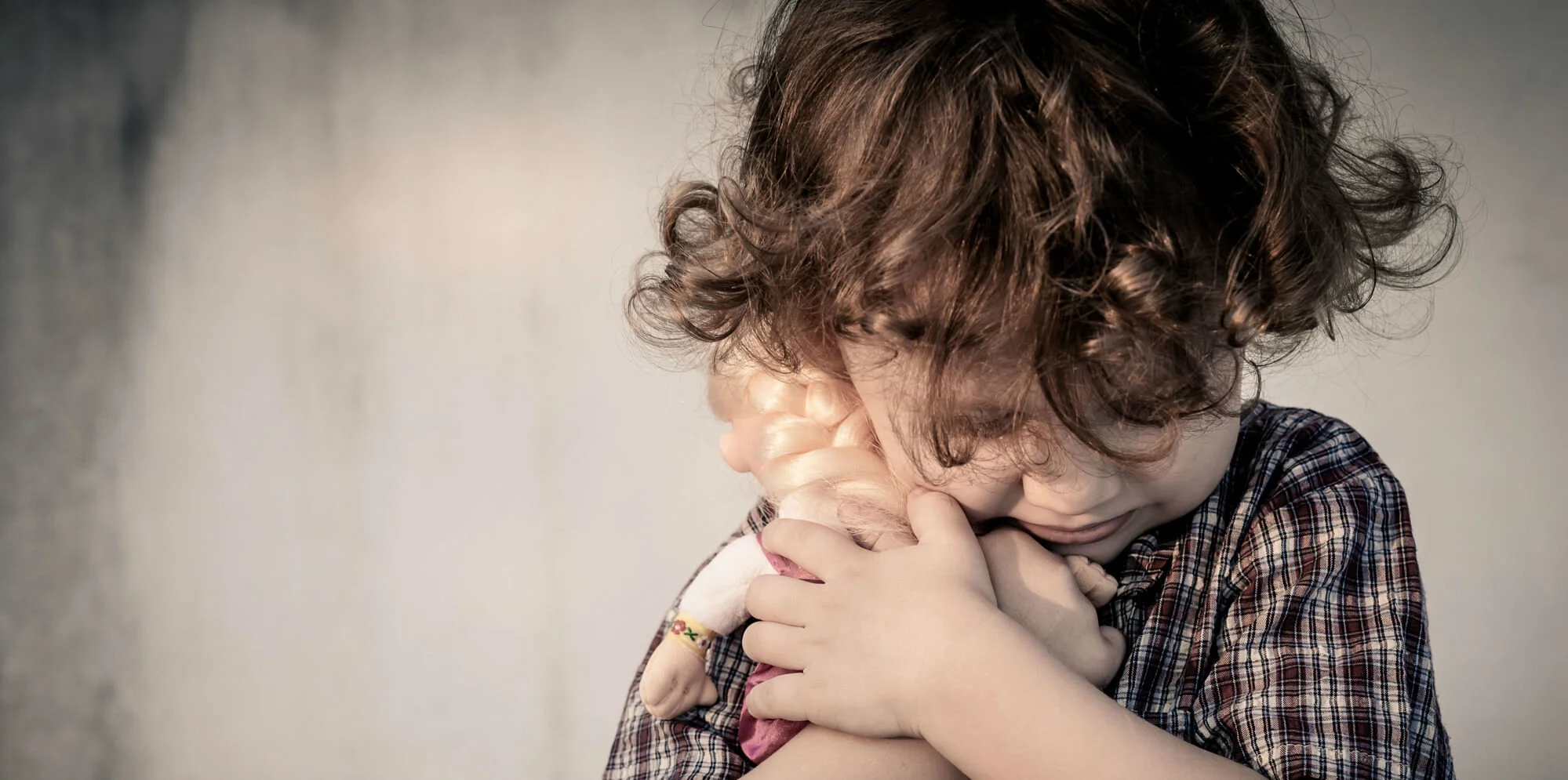
Poverty in Childhood Linked to Mental Health Problems: New Report
It is time to stop putting the ambulance at the bottom of the cliff as a solution. Child poverty is a clear contributor to mental health problems.
Priorities for Health Policy
CPAG believes it is possible to halve the number of these hospital admissions, and in addition reduce the chances of preventable illness harming our tamariki in the long term.
CPAG Stands Behind Figures Showing $2.8 Billion Cuts to Working for Families
These cuts have affected families in low-paid, full-time work and are quite contrary to Bill English’s claim to want to look after "hard-working" New Zealanders.”

More Houses Should Be the Primary Target
CPAG says that the Government needs to set more meaningful housing targets to improve the current situation in New Zealand.

Will Joyce’s Working for Families Changes Be Enough?
The changes must be comprehensive, and benefit all families in need - not just some.
New Health Targets for Children Welcomed
The creation of this new target signifies the Government is acknowledging the underlying causative issues for preventable childhood health problems, including poverty.
Hospitalisations Linked to Poverty Must Be Reduced
There are more than 40,000 hospital admissions of children in New Zealand every year with illnesses that often have their roots in poverty and unhealthy housing.
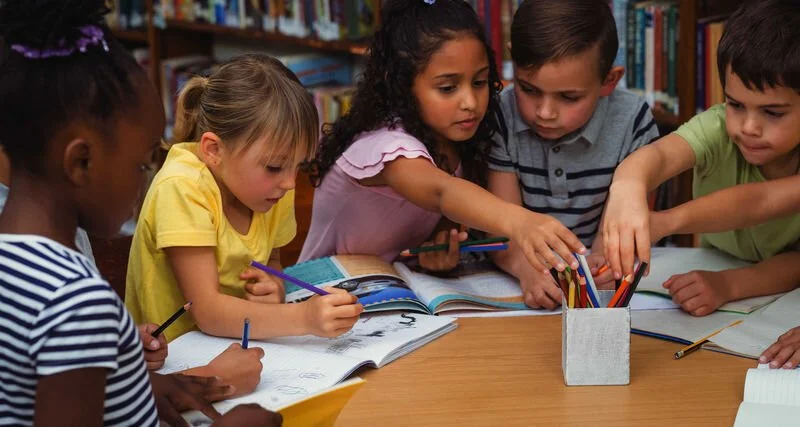
Proposed Funding Model Could Do More Harm
“Abandoning decile based resource allocation without a sufficiently precise and educationally valid replacement is like throwing the baby out with the bathwater.”
Why Are We Only Seeing Band-Aid Responses to the Deepening Housing Shortage?
Promises of a few hundred additional social housing units in a few years time have been vague at best.
Latest Income and Welfare Changes Fall Short of Addressing Need
“It is no wonder we are seeing more low-income working parents depend on food banks and other charities for survival.”

All Children Are Vulnerable
The new Oranga Tamariki (Ministry for Vulnerable Children) should have a much wider vision and extend its focus to all children in need.

Fiscal Responsibility Requires More Focus On Children
A continued focus on prioritising debt reduction will inhibit the boldness Government needs to tackle poverty and inequality.
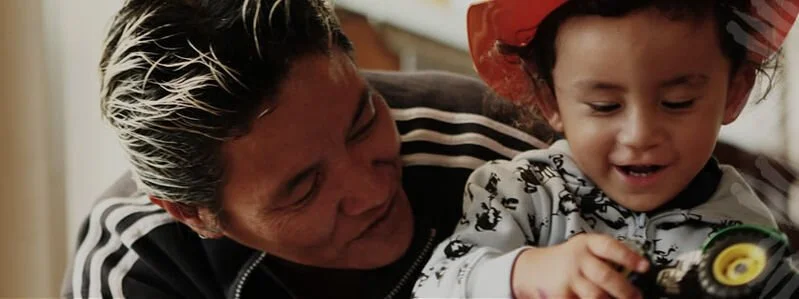
Prioritise Investing in High Quality ECCE for All Children
A shortage in funding leads inevitably to increases in fees that add financial pressure to parents who are already on a tight budget.

Support for UCAN NZ Health Charter
The link between poverty and poor mental and physical health among children, whose opportunities to thrive are compromised, is very real.
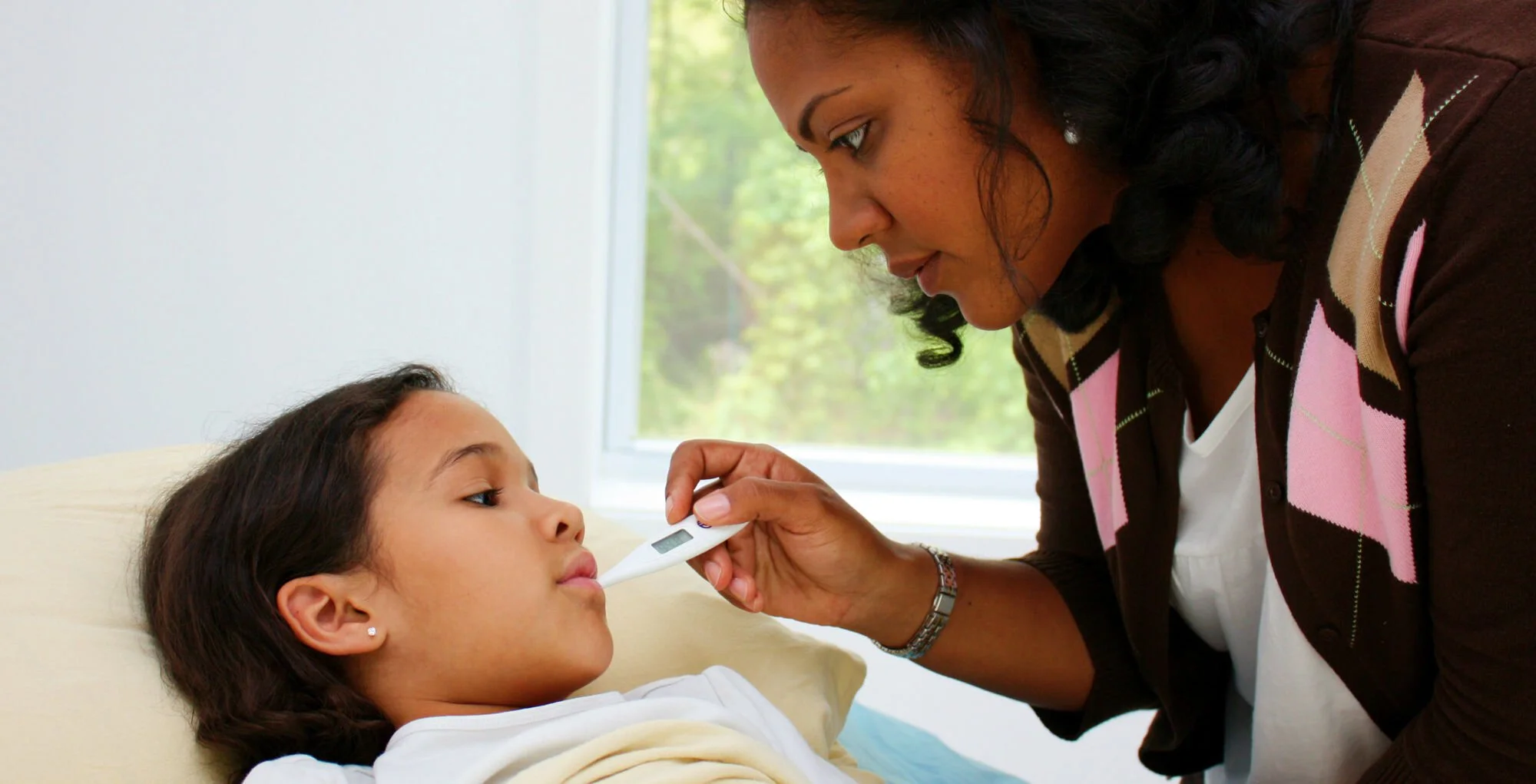
Doctors and Families Embrace Free Doctor Visits for Under-13s
Significantly reducing the number of hospital admissions for preventable illness among children should be a national goal.
Technical Efficiency Not Enough for Children
Currently, WFF is far too complex and has been undermined through both failure of policy to index it properly, and by deliberate cuts that reduce its worth over time.
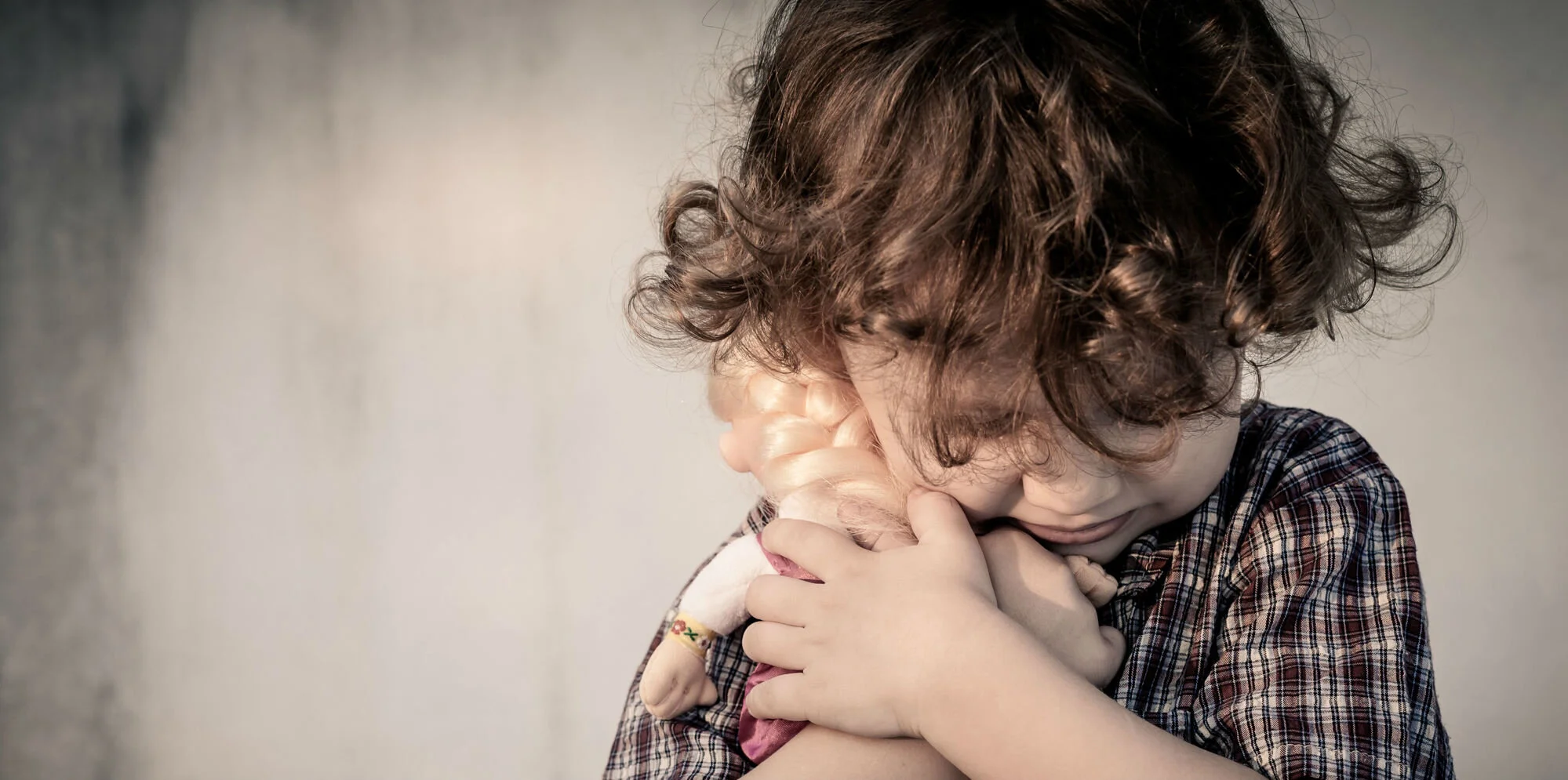
Poverty Link to Risk of Child Abuse Cannot Be Ignored
Until Government acknowledges the role of poverty in poor outcomes for children and takes steps to address it, its actions will be ineffective.
Social Housing Demand up 49% Since 2015
While it is a good thing that homeless families are being helped financially when they need it the most, emergency grants are not a long-term solution.

CPAG Background Paper: Children and the Living Wage
Care must be taken not to undermine the needs of families by promoting a Living Wage as a ‘one-size-fits-all’ solution.
New Data Must Take Child Welfare Into Consideration
Attention to the well-being of children from families recently off benefits must be at the fore of new data analysis if the undertaking is to be meaningful.

Budget Policy 2017: Make Housing Low-Income Families a Priority
There has been no notable improvement for children in poverty over the past decade, and it is imperative that significant extra funding be directed to improving outcomes.
Salvation Army State of the Nation Report: Off the Track
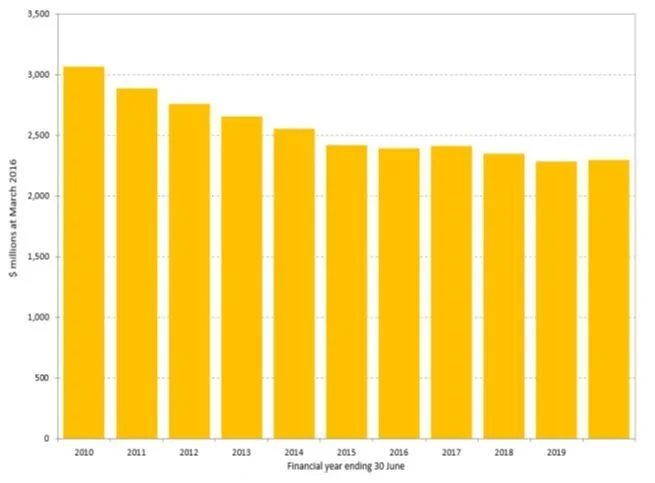
Clear evidence that the benefits of a booming economy are not reaching those who need them most.
Plea for a Cross-Party Commitment to Ending Child Poverty
Despite the efforts of their parents, children who suffer the effects of poverty are at risk of vulnerability and poor outcomes.

Minimum Wage Increase Has Minimal Impact Without Stronger Supports
“We need a realistic increase in the minimum wage and properly indexed weekly Working for Families support to help sustain living standards.”

Back-to-School Budget Demands Send Parents Into Crisis
Many families turn to short-term loan providers to ensure their children are as adequately equipped as their peers, resulting in ongoing, increased weekly costs.
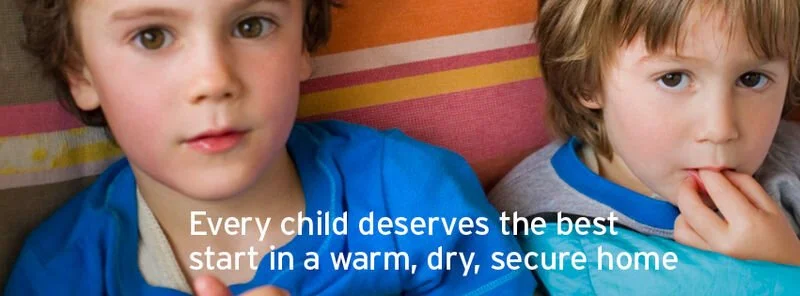
AUT Documentary Will Reveal Harsh Realities for Homeless Youth
Homeless youths may be living in cars, on couches, or in garages - while the larger public remains unconscious to their struggles.

Praise for Progressive Move by Hawke’s Bay DHB
CPAG applauds the visionary step taken by this district to direct funding to extending free general health visits for all children until they turn 18.

Kathryn’s Story Highlights Need for Major Welfare Overhaul
How the Government spent well over $100,000 and 15 years pursuing a chronically-ill beneficiary mother for a debt she should not have.
Social Investment Priorities
CPAG’s priority for the 2017 election is the introduction of measures to substantially reduce child hospital admissions for preventable illnesses.

Better Resourced Schools, Better Outcomes for Children
Providing for educational needs means better financial planning and resourcing for schools, but also ensuring that children's needs are met in the home.
Clear Data Needed on Impact of Benefit Sanctions on Children
A lack of data on benefit sanctions means there is no way of knowing whether welfare reform is helping or harming children
Government Failing to Solve Child Abuse
Latest research on Child Abuse finds government preoccupied with monitoring and reporting but neglectful in finding solutions to the issue.